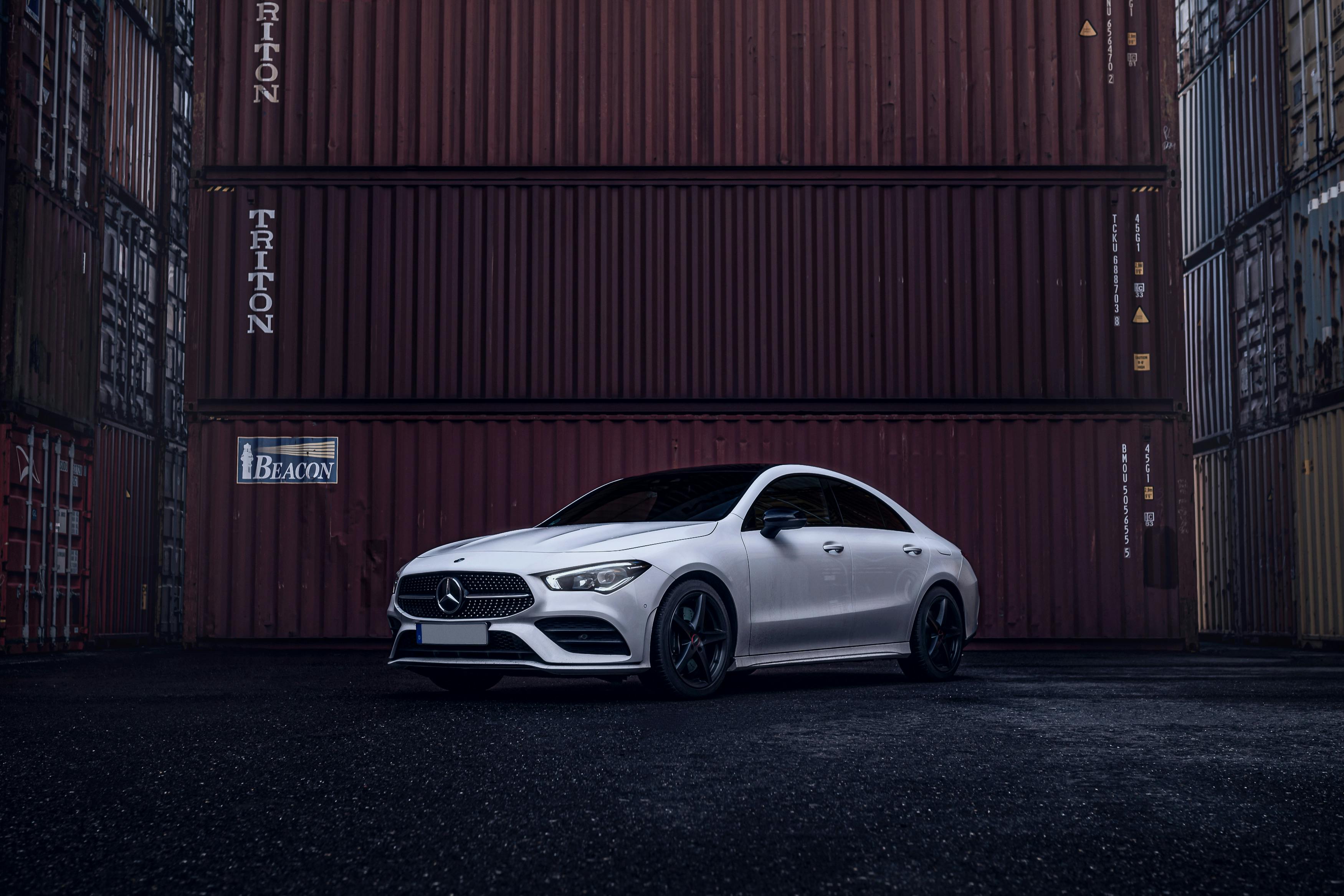
Export vehicle pricing can look simple on the first message and complicated by the final invoice. Buyers protect themselves by comparing quotes with the same trade term, service scope, vehicle condition, and destination assumptions.
Reading time: 5 min read Editorial label: Price education
Who this is for
Buyers comparing multiple supplier quotes before choosing a sourcing partner.
Key takeaways
- Compare EXW with EXW and FOB with FOB, not mixed terms.
- A very low quote may exclude inspection, local transport, port work, or document service.
- Condition, mileage, trim, and document readiness can justify price differences.
EXW and FOB are different conversations
EXW usually means the buyer takes responsibility from the supplier's location. FOB usually includes more work toward port handover and export handling.
If one supplier quotes EXW and another quotes FOB, the cheaper number may not be cheaper in real life.
Price follows condition
Two vehicles with the same model year can have very different value. Mileage, accident history, tire condition, paintwork, interior wear, battery health for EVs, and document readiness all change the true cost.
Inspection evidence is the bridge between price and trust.
Budget for the full path
A practical budget should include vehicle cost, service fee if any, domestic transport, export paperwork, port handling, ocean freight estimate, destination charges, tax, clearing, and inland delivery.
Not every item is controlled by the China supplier, but every serious buyer should know the full route before committing.